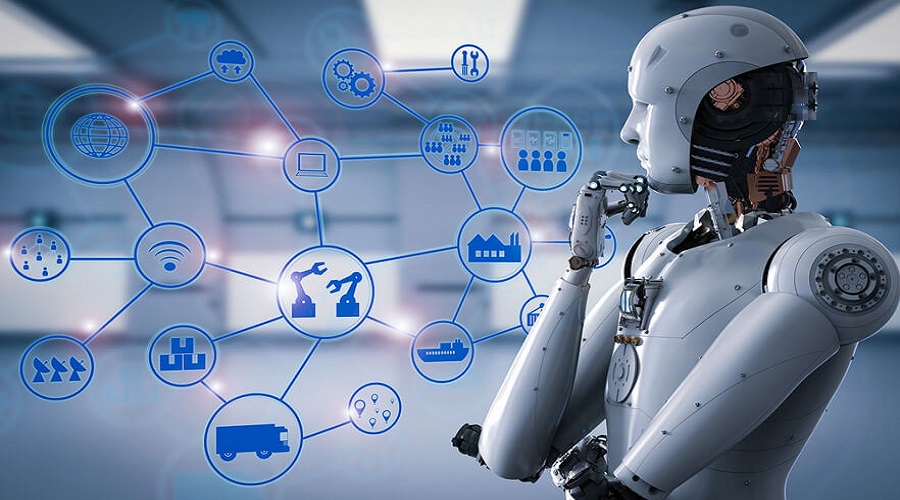
The Future of Robotics: From Industrial to Service Robots
The field of robotics has been advancing at a remarkable pace in recent years. From manufacturing robots used in factories to autonomous vehicles used in transportation, robots have become a part of our daily lives. With advancements in technology, the use of robots has expanded from industrial applications to service and social robots that can assist us in our daily lives. In this article, we will discuss the future of robotics, including the current trends and challenges in the industry, and how robots are transforming various sectors.
The Current State of Robotics
Industrial Robots:
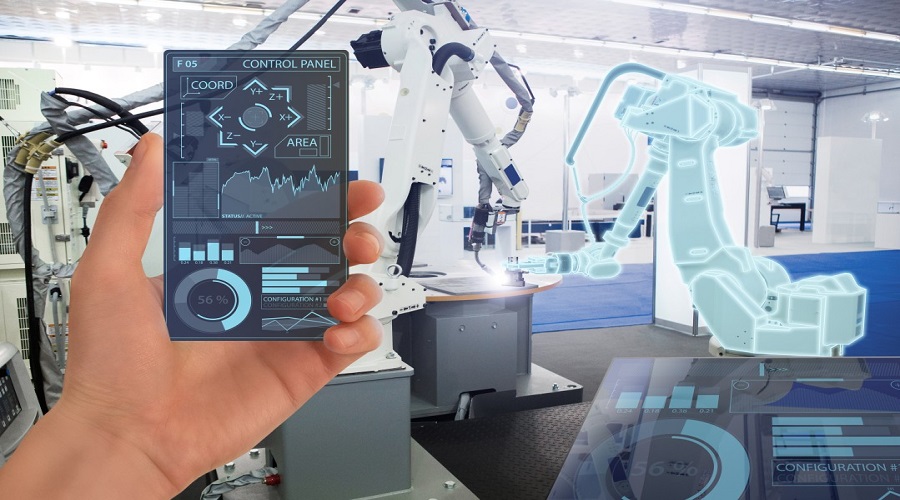
Industrial robots have been around for decades and are commonly used in manufacturing processes. They are designed to automate repetitive tasks and perform them with accuracy and consistency. They are typically used in applications such as welding, painting, and assembly. The use of industrial robots has increased significantly in recent years due to advancements in technology and the need for increased productivity and efficiency in manufacturing processes.
Service Robots:
Service robots are designed to assist humans in their daily lives. They can be used in various sectors, such as healthcare, education, and hospitality. Service robots can perform tasks such as cleaning, monitoring, and providing companionship to people. The use of service robots has grown rapidly in recent years due to an aging population and a shortage of healthcare workers.
Social Robots:
Social robots are designed to interact with humans on a social level. They are used in various applications, such as education, therapy, and entertainment. Social robots can provide companionship, teach new skills, and assist people with disabilities. The use of social robots is still in its early stages, but it has the potential to transform various sectors in the future.
The Future of Robotics
The future of robotics is exciting and full of potential. Robotics technology is advancing rapidly, and the use of robots is expanding beyond their current applications. Here are some of the areas where robotics is expected to have a significant impact in the future.
Healthcare:
The use of robotics in healthcare is expected to grow significantly in the future. Robots can assist with patient care, including monitoring vital signs, providing medication, and assisting with rehabilitation. Robots can also be used in surgery, where they can perform complex procedures with precision and accuracy.
Education:
Robotics can transform the way we teach and learn. Robots can be used in the classroom to teach new skills and provide personalized instruction. They can also be used to teach students about robotics and technology, preparing them for future careers in these fields.
Agriculture:
Robotics has the potential to transform agriculture by increasing efficiency and reducing labor costs. Robots can be used to monitor crops, apply fertilizers and pesticides, and perform tasks such as planting and harvesting.
Transportation:
Autonomous vehicles have already begun to transform the transportation industry. Self-driving cars, trucks, and buses have the potential to increase safety on the roads and reduce traffic congestion. Drones are also being used for deliveries, inspection, and monitoring in various industries.
Challenges and Opportunities
The use of robotics also presents several challenges and opportunities. One of the main challenges is the need for specialized skills to design, develop, and operate robots. The field of robotics requires expertise in areas such as mechanical engineering, electrical engineering, and computer science.
Another challenge is the potential for robots to replace human workers. While robots can increase efficiency and reduce labor costs, they also have the potential to displace human workers. This can lead to job loss and income inequality.
However, the use of robotics also presents opportunities. Robotics has the potential to increase productivity, reduce costs, and improve safety in various industries. It can also create new job opportunities, particularly in the field of robotics development and operation.
Conclusion
In conclusion, robotics is a rapidly evolving field that is transforming various sectors. From industrial robots used in manufacturing processes to service and social robots that assist us in our daily lives, robots are becoming more prevalent.